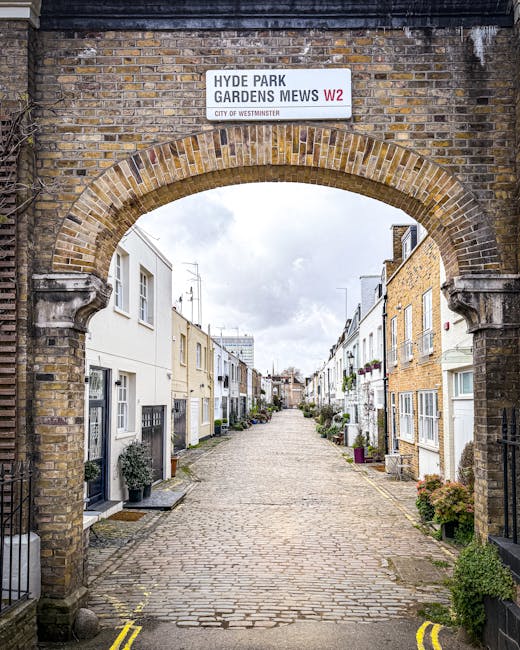
Insider tips for gardeners working in Holland Park mews
Gardeners working in Holland Park mews face a very particular kind of job. The spaces are often compact, access can be awkward, neighbours are close by, and every detail shows. A tidy cut or a neatly clipped hedge can lift the whole look of a property; one rushed visit can do the opposite. If you want practical insider tips for gardeners working in Holland Park mews, this guide pulls together the things that matter most on the ground: access, timing, plant choice, waste handling, privacy, and the little habits that save time and improve results. It is written for people who want fewer surprises and better-looking gardens, not just generic advice that sounds nice on paper.
Truth be told, mews gardening is rarely about brute effort. It is about working smart, moving quietly, and reading the space properly. One wrong plant in a narrow courtyard can turn into a maintenance headache for years. One missed drainage issue can leave a patio damp and slippery. So let's get into the details that actually help.
Table of Contents
- Why this matters in Holland Park mews
- How mews gardening works in practice
- Key benefits and practical advantages
- Who this is for and when it makes sense
- Step-by-step guidance for better results
- Expert tips that make a real difference
- Common mistakes to avoid
- Tools, resources and recommendations
- Law, compliance, standards and best practice
- Options, methods and comparison table
- Case study or real-world example
- Practical checklist
- Conclusion
- Frequently asked questions
Why Insider tips for gardeners working in Holland Park mews Matters
Mews gardens in Holland Park tend to reward precision. These are not the sort of places where you can simply turn up, mow everything quickly, and call it a day. You are usually dealing with narrow side paths, shared sightlines, decorative planting, and homeowners who notice the difference between "fine" and "well kept" straight away.
Why does that matter so much? Because in a mews setting, the garden is often part of the whole property experience. A front courtyard, a tucked-away rear space, or even a strip of planting beside a driveway can make the home feel calmer, greener, and more expensive-looking. In a dense part of London, that sense of order carries a lot of weight. It also means the work has to be discreet. Noise, leaf scatter, muddy footprints, and bins left in the wrong place stand out more than people expect.
Another reason this topic matters is that mews spaces are often constrained in a way that traditional gardens are not. Soil can be shallow, walls can create dry shade, and hard landscaping takes up a big proportion of the footprint. That changes everything from irrigation to pruning style. If you approach it like a suburban lawn and border, you will probably get mixed results. If you approach it like a carefully managed compact outdoor room, you get better outcomes. Much better.
For gardeners and property managers alike, this means thoughtful planning is not a luxury. It is the baseline. Good results depend on consistent maintenance, clear access planning, and plant choices that suit the space rather than fight it. If you need a service foundation for that kind of work, garden maintenance is often the most sensible starting point, especially for properties that need regular attention rather than one-off rescue jobs.
How Insider tips for gardeners working in Holland Park mews Works
The simplest way to think about mews gardening is this: the best work happens before the tools come out. A good gardener looks at access, light, water, drainage, and how the space is actually used. Is it a daily entrance? A decorative courtyard? A family sitting area? A private service side? Each one needs a slightly different approach.
In practice, the workflow usually follows a pattern:
- Assess the site carefully. Look at circulation, paving, plant condition, shade levels, and any awkward corners where debris collects.
- Prioritise the visible zones. In mews properties, the eye is drawn to entrances, paths, and the first few metres of planting. These areas need the cleanest finish.
- Choose low-fuss routines. A narrow garden can look brilliant with the right repetition: light pruning, tidy edging, debris removal, and seasonal resets.
- Work in the right sequence. Cut, clear, sweep, inspect, then water or feed if needed. Doing it the other way around wastes time. Simple, but easy to miss when you are rushing.
- Finish with a visual check. Step back. Look from the doorway, from the pavement, and from inside the property. You will spot little things instantly.
A mews job also works best when the gardener understands the daily rhythm of the property. Some homes need early starts kept quiet. Others need work scheduled around deliveries, school runs, or visitors. That is not glamorous, but it is exactly the sort of detail that separates a competent job from a memorable one.
If the garden has become overgrown or cluttered, it can help to clear the site first and then refine the layout. In that situation, garden clearance can create the clean slate needed before you settle into maintenance and planting improvements.
Key Benefits and Practical Advantages
There are a few real-world benefits to doing mews gardening properly, and they go beyond appearances. The first is consistency. Once the space is organised, it becomes much easier to keep it under control with shorter visits. That saves time and usually saves money too.
Second, proper maintenance reduces avoidable problems. Hedges that are trimmed on time are less likely to become woody and awkward. Lawns that are cut correctly are less prone to scalping and patchiness. Patio edges that are cleared regularly are less likely to trap moisture, algae, and fallen debris. Small habits, big effect.
Third, a well-managed mews garden feels more private and calmer. In built-up streets, that matters. A tidy screen of planting, a balanced hedge line, or a well-thought-out trellis can soften views without making the space feel boxed in. It is a subtle kind of luxury, really.
Here are the practical advantages most owners notice first:
- less visible mess at the entrance
- better use of limited space
- healthier planting through the seasons
- safer paths and clearer access
- fewer emergency tidy-ups before guests arrive
- a more polished feel overall, even in a small footprint
And for those managing multiple properties or regular client visits, there is a quieter benefit too: peace of mind. You know what shape the garden is in, what needs attention next, and where the likely pressure points are. That kind of control is worth a lot.
Who This Is For and When It Makes Sense
This guide is useful for several groups, not just professional gardeners. If you are maintaining a private mews courtyard, you will benefit from the same fundamentals as a contractor handling a portfolio of London properties. The scale may differ, but the principles are close.
It makes sense for:
- Homeowners who want their outdoor space to look polished without constant intervention
- Gardeners and grounds teams looking for better ways to manage compact urban sites
- Landlords and managing agents who need the exterior to stay presentable between tenancies or inspections
- Design-conscious residents who want planting that suits the architecture and the pace of the street
- Anyone with a difficult access point where every visit needs planning rather than guesswork
It also makes sense when a property has started to drift from "maintained" to "managed in panic mode." You know the signs: paving edges disappearing under growth, pots collecting dead foliage, hedges looking uneven, and the whole space feeling a bit tired. That stage is common. Nothing dramatic. Just enough neglect to make the job harder than it needed to be.
For larger or more complex redesigns, there is a point where ongoing upkeep is only part of the answer. If the layout itself is fighting the space, then wider improvements through landscape gardening or broader landscaping may be more useful than repeated patchwork fixes.
Step-by-Step Guidance
If you want the work to go smoothly, treat the garden like a sequence, not a list of random chores. That is where many people slip. They start pruning before they have cleared the debris, or they mow before they have dealt with edging and overgrowth. It all feels productive in the moment, but the result is often untidy.
1. Walk the space before you touch anything
Check entrances, paving condition, drainage, planting structure, and any hidden issues around walls or gates. In narrow mews spaces, small problems are easy to miss until they become the main problem.
2. Remove clutter and dead material first
Leaves, broken stems, spent flowers, and loose compost should come out early. This immediately reveals what is healthy and what is not. It also makes the rest of the job cleaner. A garden always looks better once the junk is gone. Always.
3. Tidy the hard edges
Edge lines, joints in paving, and borders against walls set the tone for the whole garden. Clean lines make a small area feel larger. Uneven edges do the opposite. That little bit of extra care is rarely wasted.
4. Prune with the structure in mind
Do not prune just to make things smaller. Prune to improve shape, airflow, access, and light. In mews settings, over-pruning often creates bare patches that are more noticeable than the original problem.
5. Deal with lawns carefully, if there is one
Small lawns in shady urban spaces can be tricky, so use a measured approach. If the lawn is healthy enough to keep, regular maintenance matters more than aggressive cutting. For recurring visits, lawn mowing should be done at a height that suits the season and the condition of the grass, not just because the job sheet says so.
6. Check water, containers and drainage
Containers dry out faster than many people expect, especially near warm brickwork or sheltered courtyards. Meanwhile, blocked drainage can cause standing water after heavy rain. It is worth checking both in the same visit.
7. Finish with a full reset
Sweep, collect, bag, and leave the place looking sharper than you found it. This final stage is half the craft, to be fair. A neat finish is what people remember when they come home through the gate.
Expert Tips for Better Results
The best insider tips are usually small ones that compound over time. Not flashy. Just effective.
- Use plant repetition. In narrow spaces, repeating a few strong species looks calmer than packing in lots of different plants.
- Work with shade, not against it. Many mews gardens get partial or deep shade from surrounding buildings. Pick plants that tolerate that rather than trying to force sun-loving species into a dim corner.
- Keep a tighter pruning cycle. Smaller, more frequent cuts are usually better than dramatic seasonal hacking.
- Listen for the space. That sounds a bit odd, but you notice things in quiet courtyards. A dripping tap, gritty movement underfoot, the scrape of a loose trellis. Tiny clues.
- Protect the finish during access. If a route is tight, use mats or carry tools in a way that avoids dragging soil across paving.
- Choose containers with purpose. Big planters can anchor a courtyard beautifully, but too many create obstruction. Space matters more than filling every gap.
One more thing: hedge lines and screening should feel intentional, not defensive. A mews garden can be private without becoming heavy or gloomy. Gentle screening, layered planting, and careful height control are usually better than a rigid wall of green. If hedge work is part of the job, regular hedge trimming helps keep the shape crisp without letting it take over the walkway.
And if the garden includes mature trees or branches that are leaning too far into the space, it is worth getting a proper view of safety, light, and clearance. In those cases, tree lopping and removal may be part of the wider plan, although any cutting should be handled carefully and in line with best practice.
Common Mistakes to Avoid
Let's face it, most garden problems in tight urban spaces start with one of a few predictable mistakes. The good news is they are easy to avoid once you know what to look for.
- Ignoring access logistics. A beautiful plan is not much help if tools, waste, or materials cannot be moved cleanly through the site.
- Overcrowding the planting. Small gardens do not need maximum plant count. They need the right plants in the right places.
- Cutting too hard, too often. This can stress plants and leave them looking stripped rather than refined.
- Forgetting the hard landscaping. Mossy paving, dirty decking, and clogged edges can make a tidy garden look neglected.
- Leaving waste for later. In mews settings, even small piles of green waste look messy very quickly.
- Using one maintenance pattern all year. Winter and summer jobs are not the same. Seasonal judgement matters.
A less obvious mistake is designing for a single perfect day. Gardens need to survive rain, wind, heat, leaf drop, and a few weeks of real life. If the space only looks good from one angle in one season, it is not finished yet.
Another one? Overusing decorative features. A small courtyard with too many ornaments, pots, lights, and furniture pieces can feel busy in a way that is hard to fix. Breathing room is a design tool. Use it.
Tools, Resources and Recommendations
You do not need an enormous kit to do good work in a Holland Park mews. In fact, smaller and lighter equipment is often better because it is easier to handle in narrow access routes and less likely to damage paving or planting.
Useful tools and materials typically include:
- sharp secateurs for precise pruning
- light hedge cutters for controlled shaping
- a compact mower or strimmer where lawn space exists
- stiff and soft brooms for different surfaces
- barrows or handled containers for moving waste without spillages
- gloves that allow grip without reducing dexterity too much
- mulch or compost suited to the planting scheme
- weed control tools that do not damage nearby roots or paving joints
For ongoing upkeep, many property owners benefit from a clear service plan rather than ad hoc visits. That might include routine seasonal visits, occasional tidy-ups, and a separate clearance pass after weather or renovation work. If you want a broader view of available support, the services overview page is a sensible place to understand how the different jobs fit together.
If budgeting is part of the decision, it helps to compare the cost of small repeat visits against a larger rescue job later on. Regular care often looks more expensive month to month, but the end result is usually steadier and less disruptive. If you are planning work and want a clearer idea of the numbers, pricing and quotes can help frame the conversation.
And for homeowners who care about what happens to cuttings, branches, and general waste, a sustainability-led approach matters. Responsible handling, sorting, and disposal are not just nice extras. They are part of good service. You can read more on recycling and sustainability, which is especially relevant when regular maintenance produces a steady stream of green waste.
Law, Compliance, Standards and Best Practice
When gardening in dense residential areas, compliance is less about red tape and more about being sensible, careful, and respectful of the property and the people around it. You do not need to dramatise it, but you do need to take it seriously.
For professional work, the main considerations usually include:
- Health and safety awareness when using cutting tools, ladders, or machinery
- Safe waste handling so paths, driveways, and communal areas are not left obstructed
- Appropriate insurance and risk control when working around valuable finishes or tight access points
- Respect for neighbours and occupiers through sensible timing and noise control
- Careful treatment of trees, hedges and protected planting where extra caution may be needed
Good practice also means being honest about what can and cannot be achieved in one visit. If roots are lifting paving, if drainage is failing, or if a tree is encroaching more than expected, a tidy-up alone may not solve the underlying issue. You want a measured plan, not a quick cosmetic fix that creates a bigger problem later.
For service providers, it is also sensible to be clear about working arrangements, safety expectations, and what happens if site conditions change. Pages such as health and safety policy, insurance and safety, and terms and conditions are useful trust signals for clients who want to understand standards before booking. It is not glamorous reading, granted, but it does matter.
Options, Methods and Comparison Table
Different mews gardens need different approaches. Below is a simple comparison to help you judge what tends to work best in compact Holland Park spaces.
| Method | Best for | Strengths | Watch-outs |
|---|---|---|---|
| Routine maintenance visits | Established gardens that already have structure | Keeps the space neat, predictable and easier to manage | Needs consistency; easy to slip if visits are too infrequent |
| One-off clearance | Overgrown or neglected courtyards | Creates a reset point and reveals the real layout | Does not solve long-term upkeep by itself |
| Soft landscaping changes | Spaces needing better planting balance or flow | Improves look and usability without major building work | Needs good plant selection and sensible sequencing |
| Hard landscaping improvements | Gardens with drainage, access, or layout issues | Can dramatically improve usability and structure | More disruptive, and usually best planned carefully |
In many cases, the best answer is a blend. For example, a courtyard might need a clearance first, then a maintenance rhythm, then a small landscaping adjustment later. That layered approach tends to be calmer and more cost-effective than trying to do everything at once. A bit slower, yes. But better.
Case Study or Real-World Example
Here is a realistic example based on the kind of work often seen in mews properties. A small rear courtyard had become crowded with container plants, patchy moss on paving, and a hedge that had crept too close to the path. The garden still had potential, but it felt cramped and slightly forgotten.
The first visit focused on clearing the surface: dead leaves, broken stems, old mulch, and loose debris were removed. Then the hedge was trimmed back to restore a clean walking line, and the planting was thinned so the best containers stood out rather than disappearing in the clutter. The lawn area was tiny, so the emphasis there was on keeping the cut light and regular instead of chasing a perfectly short finish.
What changed most was not the amount of planting. It was the breathing room. Once the edges were clear and the circulation made sense, the whole space felt more expensive, more usable, and easier to keep tidy. The homeowner did not need a dramatic redesign. They needed structure, discipline, and a few good decisions. That is often the real story in mews gardening.
And, to be honest, the best part was how quickly the garden started to feel like a place to pause for a minute rather than somewhere to step through in a hurry. That sort of shift matters more than people admit.
Practical Checklist
Use this checklist before, during, or after a garden visit in Holland Park mews. It keeps the work grounded.
- Check access points and protect surfaces from scuffs or soil transfer
- Walk the garden and note shade, drainage, and tight corners
- Clear debris before any cutting or mowing
- Trim hedges and shrubs with the final shape in mind
- Inspect paving, patios, and edges for moss, weed growth, or trip hazards
- Review container plants for watering needs and weak growth
- Keep lawn care gentle and seasonally appropriate
- Remove waste promptly rather than leaving it stacked on site
- Step back and view the garden from the doorway and main approach
- Make a note of anything that needs a separate follow-up visit
Expert summary: the best mews gardening is quiet, tidy, and measured. Do less, but do it properly. Keep the lines clean, the access clear, the planting appropriate, and the finish sharp. That is how small spaces become memorable rather than merely maintained.
Conclusion
Working well in a Holland Park mews garden is really about respect: respect for space, for detail, for the property's character, and for the people living around it. A compact outdoor area can be one of the most rewarding places to maintain, but only if you treat it with care and a bit of restraint. The best results usually come from thoughtful routines, sensible planting, and a gardener's eye that notices the tiny things before they become expensive ones.
If you remember only one thing, let it be this: small gardens do not forgive rushed work, but they reward consistent, intelligent attention beautifully. And that, in a quiet mews on a good day, is a lovely thing to see.
Get a free quote today and see how much you can save.
When you are ready to improve a courtyard, sharpen the edges, or bring a tired space back to life, start with the basics and build from there. Steady work wins here. It really does.
Frequently Asked Questions
What makes gardening in Holland Park mews different from a normal London garden?
Mews gardens are usually tighter, more visible, and more access-sensitive than standard gardens. You often have limited turning space, close neighbours, and more hard landscaping packed into a smaller footprint, so the work has to be more precise.
How often should a mews garden be maintained?
That depends on the planting and how the space is used, but many mews gardens benefit from regular maintenance rather than long gaps between visits. Smaller, consistent visits usually keep the garden tidier and cheaper to manage over time.
Is it better to redesign a small courtyard or just maintain it?
If the layout works and the planting is suitable, regular maintenance may be enough. If access, drainage, or the structure of the space is the real issue, a redesign or light landscaping change may produce better long-term results.
What are the best plants for shady mews gardens?
Shade-tolerant, compact, and reliable plants usually perform best. The exact choice depends on the degree of shade, the soil, and whether the area is dry or sheltered, but the key is to avoid forcing sun-loving species into the wrong conditions.
Can a small lawn work in a Holland Park mews property?
Yes, if it gets enough light and is maintained carefully. In small urban spaces, lawn areas often need a lighter hand and more frequent attention than larger open gardens.
What should I do if the garden feels cluttered and overgrown?
Start with clearance and a proper tidy-up. Once the dead material, overgrowth, and visual clutter are removed, it becomes much easier to see what is worth keeping and what needs adjusting.
Do I need professional help for hedge trimming and pruning?
If hedges are tall, awkwardly placed, or close to walls, windows, or access routes, professional help is usually the safer and neater option. Smaller hedges may be manageable, but the finish matters a lot in mews settings.
How do I keep the garden looking good between visits?
Focus on the visible basics: sweeping debris, watering containers as needed, checking for dead growth, and keeping paths clear. A few minutes of attention between visits can make a surprisingly big difference.
What is the biggest mistake people make with compact gardens?
Overcrowding. Too many plants, ornaments, or features can make a small space feel even smaller. Good mews gardens usually look calmer because there is room for the eye to rest.
How do I know whether my garden needs maintenance or landscaping?
If the garden is mostly in good shape but just needs care, maintenance is probably enough. If the layout, surfaces, drainage, or structure are causing repeated problems, landscaping or garden redesign may be the better path.
Should I worry about safety and insurance when hiring a gardener?
Yes, especially in tight spaces where tools, ladders, and hard surfaces are involved. It is sensible to choose a provider that is clear about safety practices and insurance arrangements before work begins.
How can I get a better quote for garden work?
Be specific about access, current condition, preferred timings, and whether you need one-off help or regular visits. The clearer the brief, the easier it is to get an accurate price and avoid surprises later.